All Blogs

13- Why Do Hunters Use Red or Green Light?
13- Why Do Hunters Use Red or Green Light?

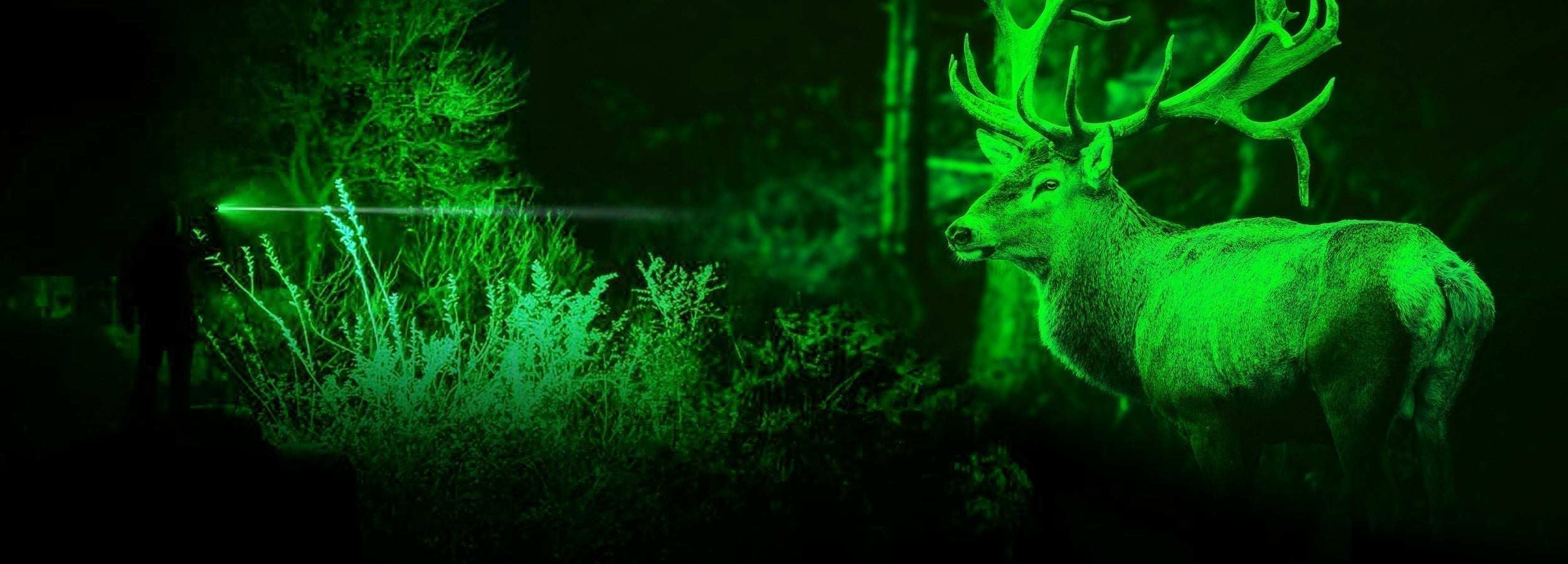
Red light, green light — hunters swear by them, but why? This guide explains the science behind animal vision, why foxes and feral pigs can barely detect red wavelengths, and how to choose the right hunting light color for stealth, visibility, and a clean shot.

Read moreabout 13- Why Do Hunters Use Red or Green Light?

Why Does Your Flashlight Get Hot? Heat Management Explained | FieldLume

12- 🔥 Why Does Your Flashlight Get Hot?

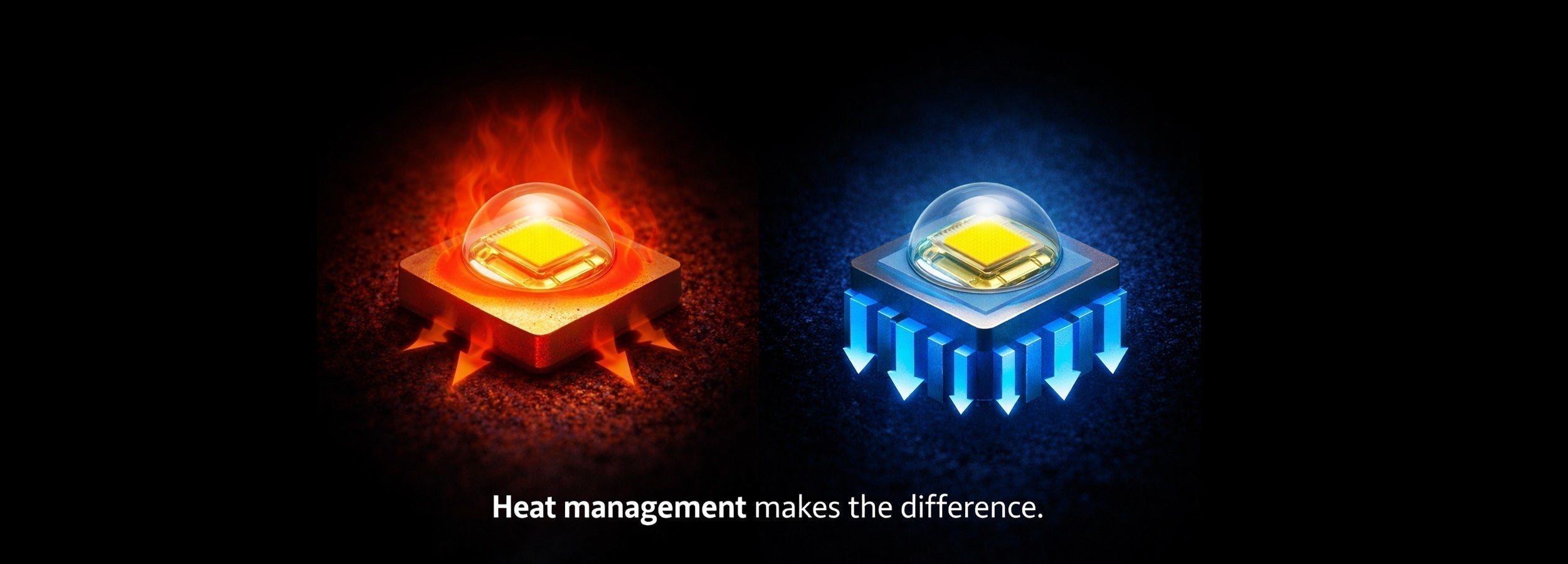
Your flashlight gets hot — and that’s actually proof it’s working. But there’s a difference between normal heat and dangerous overheating. This guide explains where flashlight heat comes from, when it’s a warning sign, and how quality thermal design keeps you safe without sacrificing performance.

Read moreabout 12- 🔥 Why Does Your Flashlight Get Hot?

What Does IP68 Really Mean? Flashlight Waterproof Rating Explained | FieldLume

11- What Does IP68 Really Mean? (And Can You Trust It?)
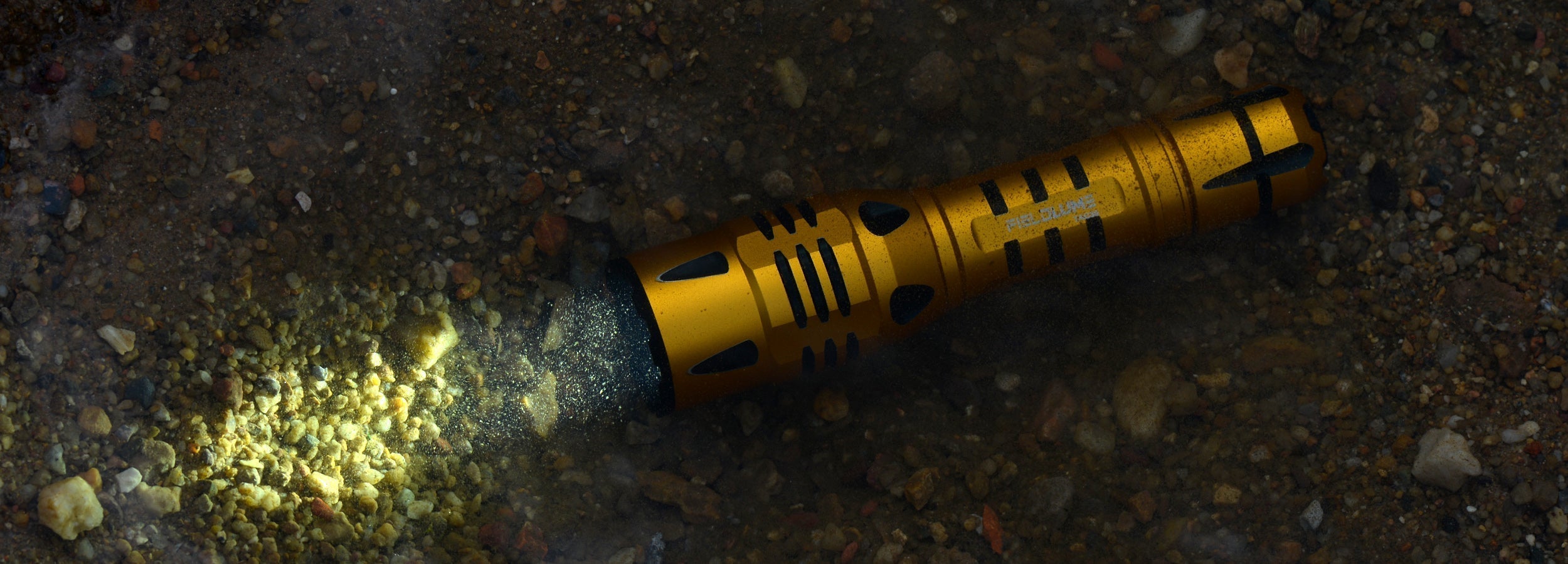
IP68 is on the label — but what does it actually mean in the field? This guide breaks down the IP rating system, explains why not all IP68 claims are equal, and reveals what real waterproofing actually requires beyond a lab test.

Read moreabout 11- What Does IP68 Really Mean? (And Can You Trust It?)

Why High-Lumen Flashlights Step Down Automatically — Thermal Regulation Explained | FieldLume

10- Why Do High-Lumen Flashlights Step Down Automatically? (And Why It’s Not a Bad Thing)
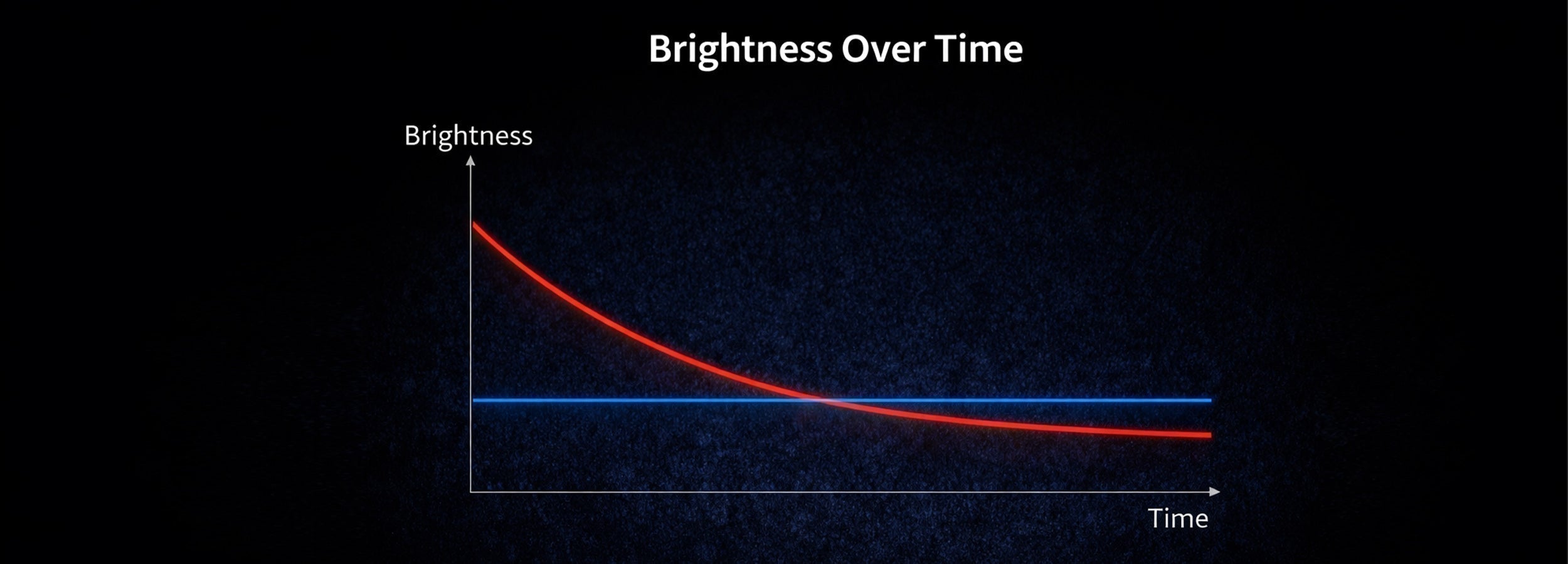
Your high-lumen flashlight dims after a few minutes — and that’s actually a good sign. This guide explains what thermal step-down is, why cheap flashlights skip it to chase peak numbers, and why intelligent heat regulation is what separates a reliable tool from a marketing gimmick.

Read moreabout 10- Why Do High-Lumen Flashlights Step Down Automatically? (And Why It’s Not a Bad Thing)

9- Why Do Some Flashlights Stay Bright While Others Gradually Dim

9- Why Do Some Flashlights Stay Bright While Others Gradually Dim?
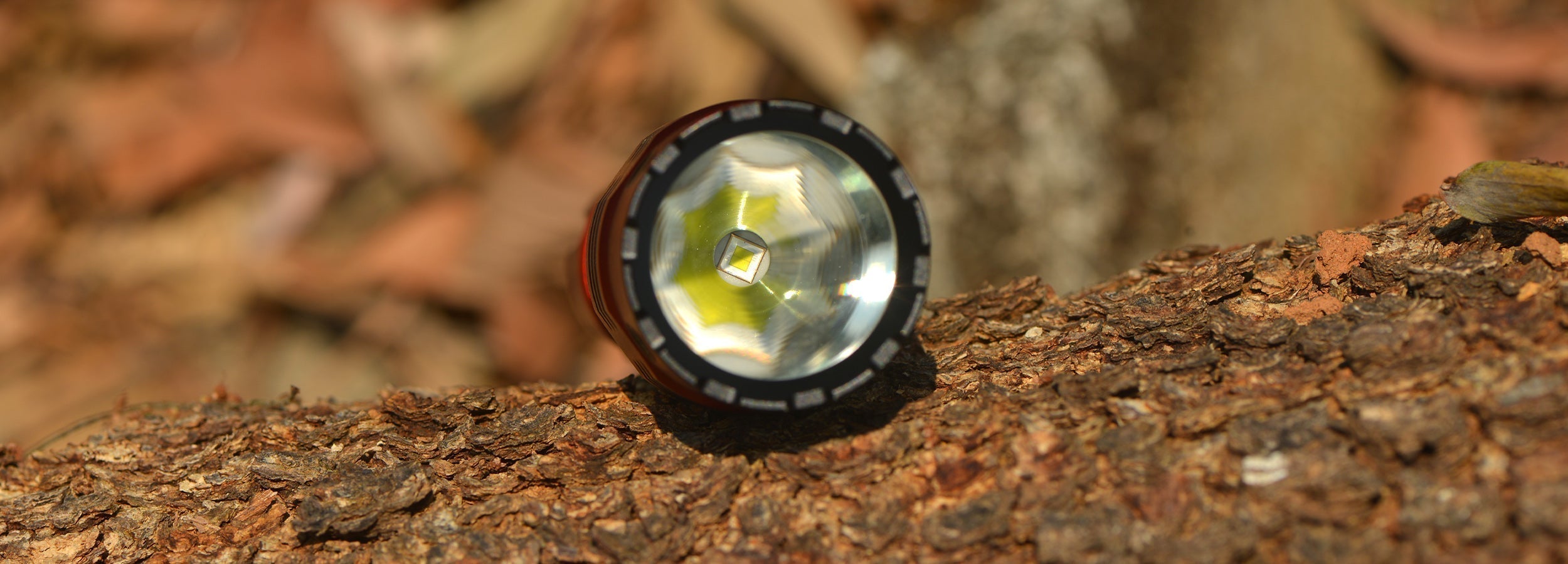
Two flashlights, same specs — but one fades within minutes while the other stays bright. The difference isn’t the battery. It’s the driver circuit. This guide explains how constant current drivers work and why they’re the real measure of flashlight performance.

Read moreabout 9- Why Do Some Flashlights Stay Bright While Others Gradually Dim?

8- Inside the Heart of a Flashlight How LEDs Actually Produce Light

8- Inside the Heart of a Flashlight: How LEDs Actually Produce Light
Old flashlight bulbs burned out from a single drop. LEDs changed everything — but not all LEDs are equal. This guide explains how LEDs actually produce light, why heat management is the real performance differentiator, and what separates a stable beam from one that fades under pressure.

Read moreabout 8- Inside the Heart of a Flashlight: How LEDs Actually Produce Light

7- What Is Military-Grade Hard Anodizing And Why Do Premium Flashlights Use It

7- What Is Military-Grade Hard Anodizing? And Why Do Premium Flashlights Use It?
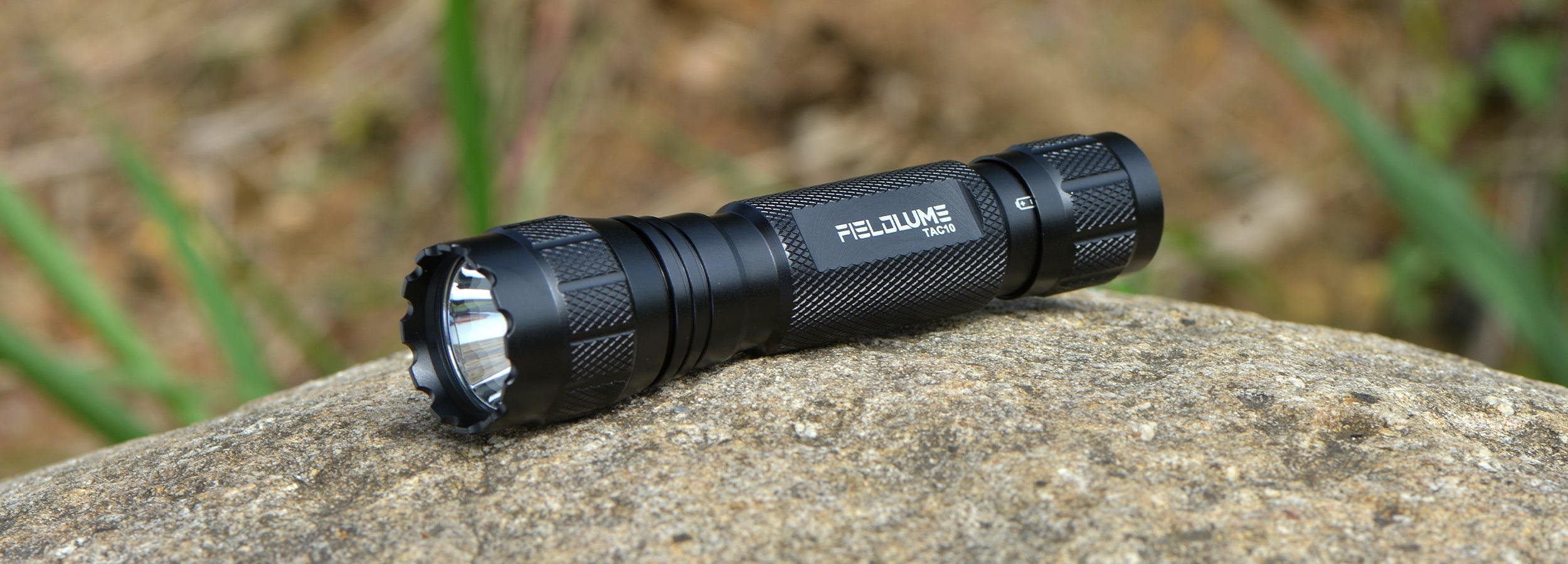
Most flashlights are just painted — and that paint wears off fast. This guide explains what military-grade Type III hard anodizing actually is, why it’s fundamentally different from a coating, and why it’s the only finish worth trusting for long-term outdoor use.

Read moreabout 7- What Is Military-Grade Hard Anodizing? And Why Do Premium Flashlights Use It?

6- How a Premium Flashlight Is Made: From Solid Aluminum to a Field-Ready Tool
6- How a Premium Flashlight Is Made: From Solid Aluminum to a Field-Ready Tool

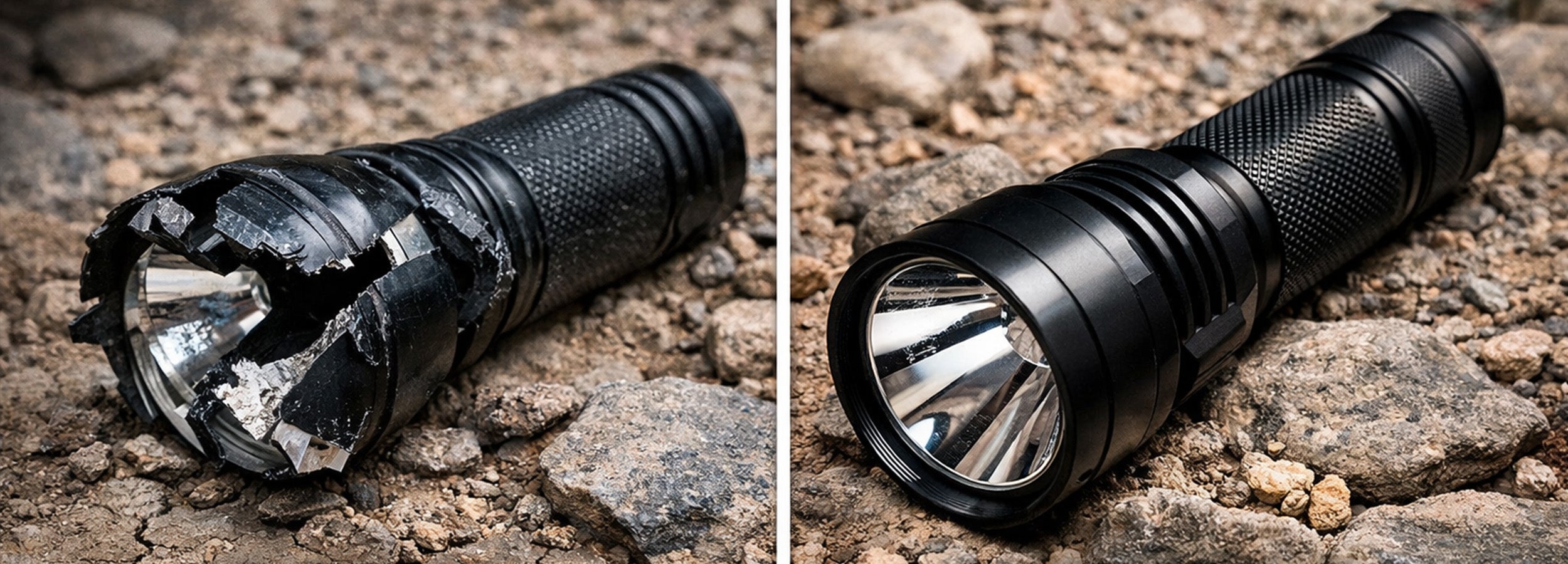
Not all flashlights are built the same — and you can feel it the moment you pick one up. This guide explains how premium flashlights are CNC-machined from aerospace-grade 6061-T6 aluminum, and why that makes all the difference in durability, heat management, and real-world performance.

Read moreabout 6- How a Premium Flashlight Is Made: From Solid Aluminum to a Field-Ready Tool

5- Flashlight Color Temperature Guide: Cool White vs Neutral vs Warm — Which Is Best for Outdoor Use?

5- Flashlight Color Temperature Guide: Cool White vs Neutral vs Warm — Which Is Best for Outdoor Use?

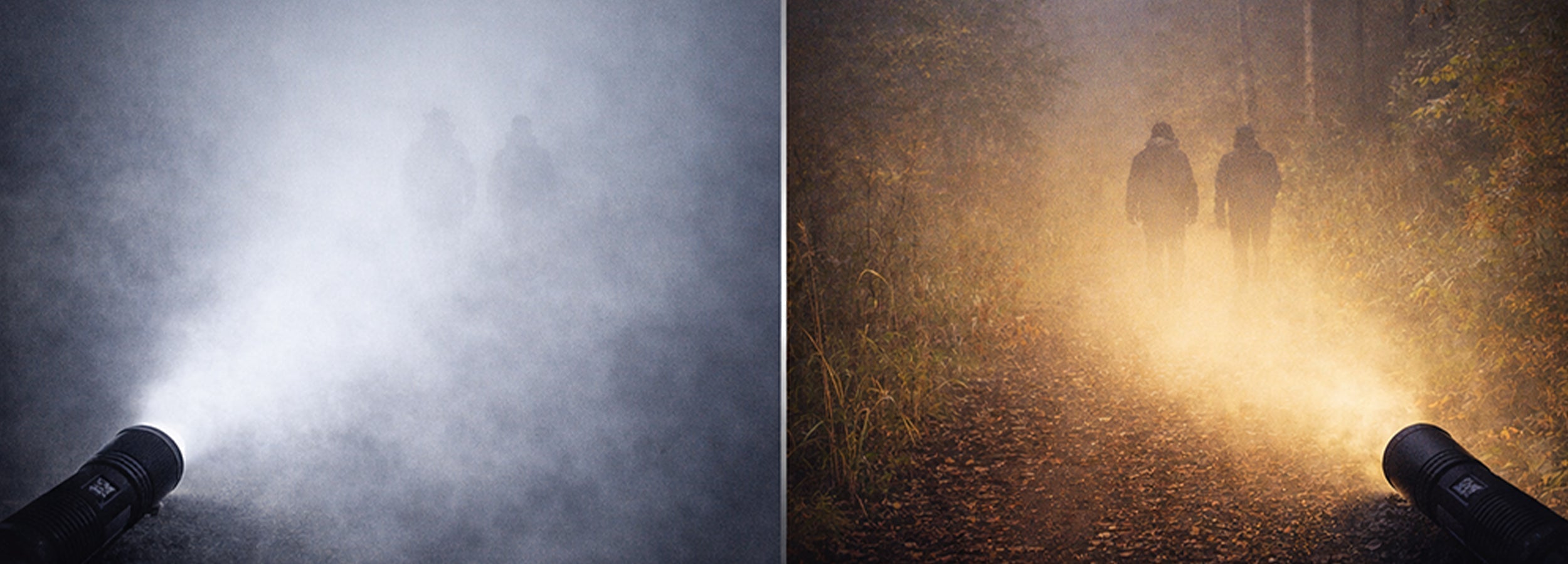
Most flashlights fail in fog — not because they're dim, but because of the wrong color temperature. This guide breaks down Cool White, Neutral White, and Warm White so you can choose the right beam for your environment, not just the brightest one.

Read moreabout 5- Flashlight Color Temperature Guide: Cool White vs Neutral vs Warm — Which Is Best for Outdoor Use?