


Blood Tracking Light Guides

A Hunter’s Guide to Low-Light Tracking
Low-light tracking is easier when you use the right light for the right task. Follow a practical workflow for navigation, close observation and changing terrain.

Understanding Optical Filters in Blood Tracking Lights
Optical filters do more than change beam color. Learn how they shape transmitted light, affect visual contrast and interact with real outdoor surfaces.
Read moreabout Understanding Optical Filters in Blood Tracking Lights
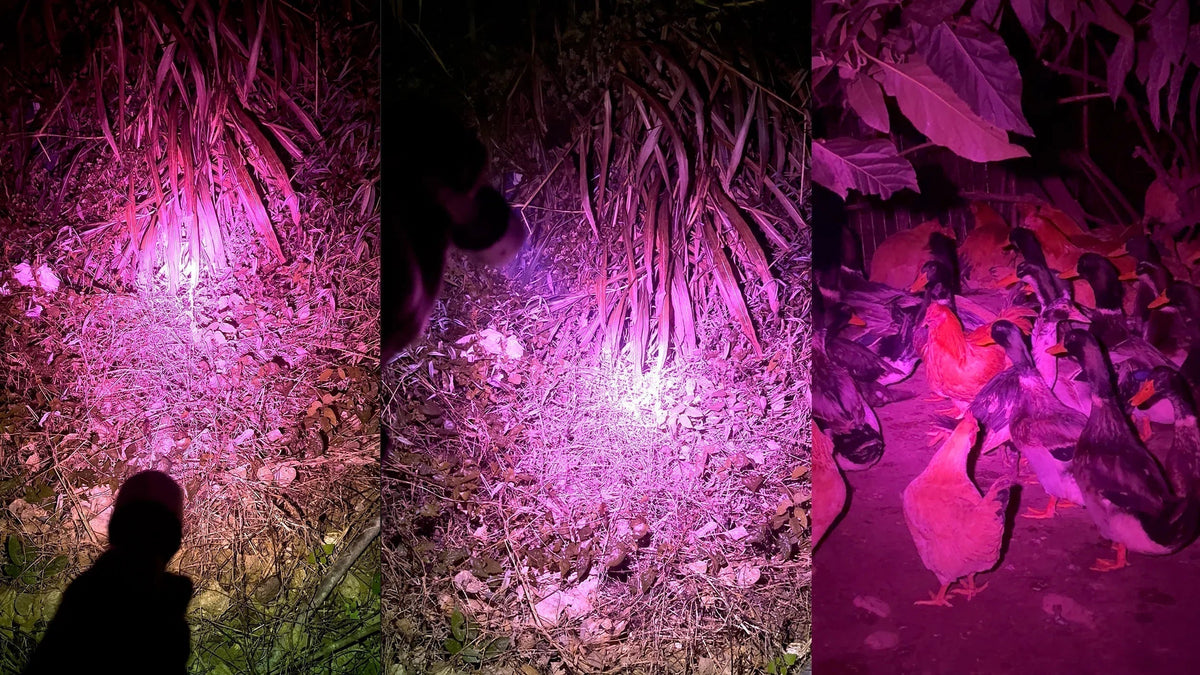
Blood Tracking Light Field Test: What Real Night Footage Shows
Real FIELDLUME nighttime footage shows how a blood tracking light behaves across ground, vegetation and distance—and why field conditions still matter.
Read moreabout Blood Tracking Light Field Test: What Real Night Footage Shows

How Many Lumens Do You Need for Blood Tracking?
More lumens do not automatically mean better tracking. Learn how output, beam pattern, distance and optical design work together in low-light use.
Read moreabout How Many Lumens Do You Need for Blood Tracking?

How to Choose a Blood Tracking Flashlight
Choosing a blood tracking flashlight is about more than lumens. Here are six practical factors to compare before you buy.

Blood Tracking Light vs Regular Flashlight
Do you really need a blood tracking light, or can a normal flashlight do the job? Here’s how the two approaches differ in real low-light use.

Do Blood Tracking Lights Really Work?
Blood tracking lights can help in some low-light conditions—but they are not magic detectors. Here’s what actually affects their performance.

Green vs Red vs UV vs White Light for Blood Tracking
Which light color works best for blood tracking? Compare green, red, UV and white light—and learn why there is no universal winner.
Read moreabout Green vs Red vs UV vs White Light for Blood Tracking

How Does a Blood Tracking Light Work?
A simple explanation of how light, color, filtering and contrast work together in a blood tracking flashlight.